Key Stages of a Shower Remodel Most Homeowners Overlook
- Substrate and Waterproofing: The Hidden Foundation of Every Shower Remodel
- Plumbing and Electrical Considerations: Upgrades Beyond the Surface
- Plumbing Fixture Placement and Selection
- Electrical Upgrades for Safety and Comfort
- Tile Selection and Installation: More Than Meets the Eye
- Ventilation and Moisture Management: Safeguarding Your Tampa Bathroom
- Final Inspection and Maintenance Planning: Securing Long-Term Value
Many Tampa Bay homeowners imagine a shower remodel as simple as picking out new tile and fixtures. In reality, a successful transformation depends on much more. Key technical considerations–often overlooked by even the most attentive residents–determine whether your new shower will stand the test of time in our region’s humid climate. High-quality results demand working with local experts like Bay Way Flooring shower remodel contractors who understand the unique challenges of plumbing, waterproofing, and substrate preparation in Tampa. By uncovering the stages most people miss, you can ensure your renovated shower delivers both beauty and lasting value.
Substrate and Waterproofing: The Hidden Foundation of Every Shower Remodel
While surface details draw the eye, the unseen layers beneath your tile are critical. In the Tampa Bay area, moisture intrusion and subfloor movement are constant threats due to high humidity and shifting soils. Many homeowners overlook the need for a proper substrate, such as cement backer board or waterproof foam panels, which provide a stable base for tile and prevent cracks.
Waterproofing is equally essential. A membrane system–either sheet or liquid-applied–protects walls, floors, and joints from moisture. Without it, even the finest tile jobs can suffer from mold, mildew, and structural damage within months. Pay close attention to corners, niches, and seams, as these are common sources of leaks. Quality remodelers test waterproofing layers thoroughly before any tile goes up, ensuring a watertight seal that stands up to Tampa’s climate and heavy use.
Alongside substrate and waterproofing, expert planning for slope and drainage ensures water flows efficiently toward the shower drain, not into your flooring or substructure. The right pitch for pan and curbs must be calculated carefully; even a slight mistake can lead to standing water or leaks behind your new tile. These foundational steps may be hidden from view, but they determine whether your remodel will remain pristine for years.
Plumbing and Electrical Considerations: Upgrades Beyond the Surface
Functional upgrades are often left off DIY checklists but are essential to maximizing your Tampa shower remodel. Modern showers frequently incorporate additional fixtures–like rain-heads, body sprays, or handhelds–that require new or upgraded plumbing. In neighborhoods with older homes, pipes and valves may need replacement for both reliability and code compliance. Neglecting this step can result in low water pressure, temperature control issues, or even water damage.
Beyond the visible fixtures, careful attention should be paid to underlying water lines. Relocating a drain or mixing valve is not just a matter of moving pipes–it often involves rebuilding sections of the subfloor or wall cavity, and it must be executed with exacting precision to prevent leaks.
Lighting, ventilation, and power are equally vital but commonly missed. A remodel is the perfect opportunity to install moisture-safe lighting above the shower and upgrade your exhaust fan to one rated for high humidity–essential in Tampa’s subtropical environment. GFCI outlets, dimmable switches, and even in-shower speakers are popular electrical additions.
Homeowners in Tampa Bay looking for expert insight can learn about all-inclusive approaches by visiting Bay Way Flooring for a comprehensive overview Bay Way Flooring of advanced plumbing and electrical integration in modern shower remodeling. By making these upgrades before walls are closed and tile is set, you avoid costly retrofits and ensure your new shower is as functional as it is beautiful.
Plumbing Fixture Placement and Selection
- Ensure all shower valves, heads, and niches are positioned for ergonomic comfort and code compliance.
- Invest in pressure-balancing valves for safe, consistent water temperatures.
- Consider anti-scald devices and thermostatic controls for added protection, especially in households with children or seniors.
Electrical Upgrades for Safety and Comfort
- Choose lighting fixtures with damp or wet location ratings.
- Install ventilation timed to run after showers, minimizing condensation.
- Integrate smart controls for lighting and shower systems where possible.
Tile Selection and Installation: More Than Meets the Eye
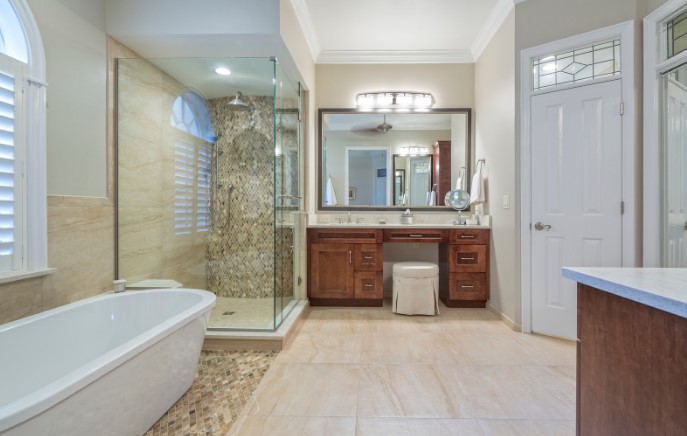
Locally, many Tampa homeowners focus their attention on choosing stylish tile, but overlook the technical details that ensure longevity and ease of maintenance. The type of tile, its slip resistance, and the grout selected make a profound difference in how your shower performs.
Choosing porcelain or natural stone tile rated for wet environments is only the beginning. The size and arrangement of tiles affect both the look and the function of the shower floor and walls. Large-format tiles reduce grout lines and create a modern aesthetic, but require perfectly flat substrates to avoid lippage. Mosaics, often used on floors and in niches, offer superior slip resistance if installed correctly.
Professional tile setters use specialized mortars, spacing methods, and leveling systems to ensure even grout joints and proper slope. Choosing the right grout–epoxy for maximum durability or high-performance cementitious grout with stain resistance–will minimize maintenance needs and resist Tampa’s prevalent mold issues. Edge treatments and waterproof expansion joints ensure the tile assembly can move with temperature or humidity changes, preventing cracks.
Tile shower floor installation is a specific art. At Bay Way Flooring https://www.baywayflooring.com/services/shower_bath_remodeling/tile_shower_floor_installation/ details the process of building durable, slip-resistant, and waterproof tile shower bases tailored to Tampa’s climate and codes. This attention to detail extends the life of your investment and secures your home against hidden water damage.
- Key considerations for tile success:
- Choose slip-resistant tiles for floors, especially in family or multi-generational homes.
- Confirm all tile, grout, and adhesives are rated for showers and damp environments.
- Use high-quality, mold-resistant grouts and sealants designed for Florida’s humidity.
- Ensure proper slope (minimum 1/4” per foot) toward the drain to avoid pooling water.
- Insist on expansion joints at all transitions and changes of plane.
Ventilation and Moisture Management: Safeguarding Your Tampa Bathroom
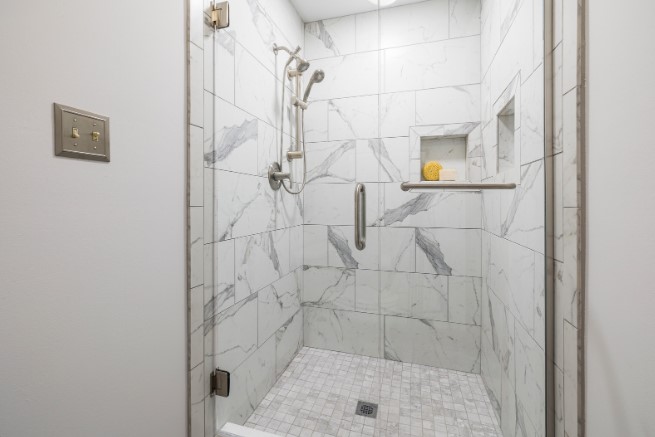
In Tampa Bay’s humid climate, effective ventilation is critical yet frequently overlooked. Many older bathrooms are equipped with undersized or poorly positioned exhaust fans that struggle to remove steam, fostering mold growth and weakening structural elements. When remodeling your shower, consider upgrading or relocating your fan to a central position in the bathroom ceiling, and choose one with a humidity sensor or timer to ensure it operates long enough to clear moisture.
Moreover, supplementing ventilation with a transom window or operable skylight improves airflow and invites natural light, reducing dependence on artificial lighting. Moisture-resistant paints, caulks, and backer boards used beyond the shower stall create a deeper moisture defense for your walls and ceilings. Pay attention to the transition between the shower and main bath flooring–waterproof thresholds and seamless transitions are essential to prevent future repairs.
Effective ventilation and moisture management not only preserve your home’s value, they also create a more comfortable, mold-free environment for your family. This step remains one of the most worthwhile investments in any Tampa bathroom renovation.
Final Inspection and Maintenance Planning: Securing Long-Term Value
A thorough final inspection is often left off the homeowner’s list but is crucial to protecting your investment. Even after construction dust settles, verify all tile lines, seals, drainage, fixtures, and electrical elements for full functionality. Check that all waterproofing measures were followed, and request documentation of the products and installation methods used.
Finally, plan a regular maintenance schedule. Sealing grout lines, cleaning drains, and checking ventilation function should be part of routine upkeep. By taking the extra step of verifying each remodel stage and planning for ongoing maintenance, you set your shower up for years of beauty, durability, and enjoyment.



Post Comment